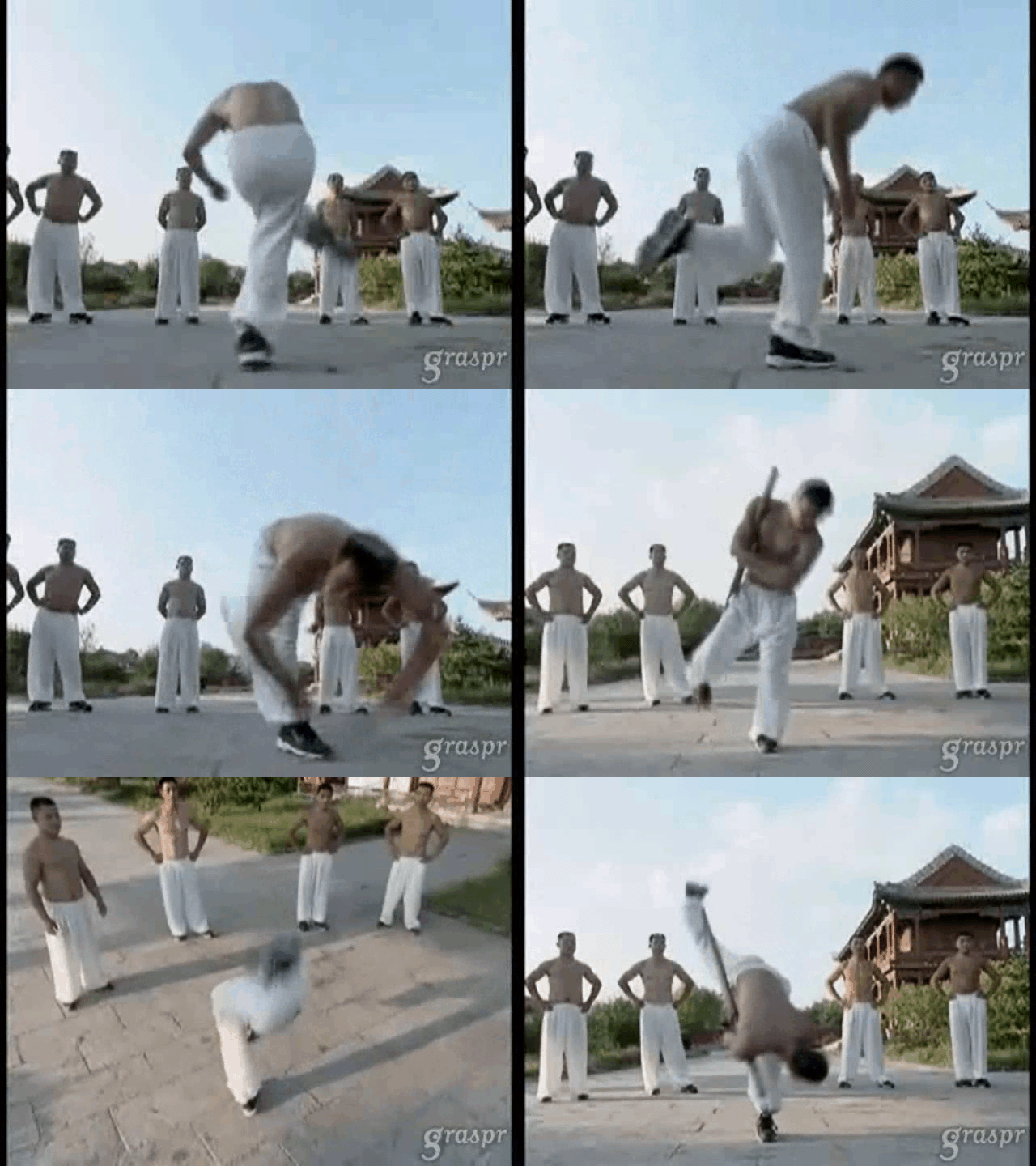
The Difference between Longfist Kicks and Taiji Kicks

How important is the foundation (proper form and principles)? Should we accumulate fighting experience first, or develop foundation first?

The ACSCA used to require the

- 1st degree BB to test CSC foundation.
- 2nd degree BB to test CSC tournament experience.

In the past 40 years, the ACSCA has reversed the order as:

- 1st degree BB to test CSC tournament experience.
- 2nd degree BB to test CSC foundation.

The reason is simple, the ACSCA encourages members to accumulate tournament experience while they are still young. They will have the rest of their lifetime to enhance their foundation.
BB first IS foundation first. You contradict yourself.
 
How important is the foundation (proper form and principles)? Should we accumulate fighting experience first, or develop foundation first?

The ACSCA used to require the

- 1st degree BB to test CSC foundation.
- 2nd degree BB to test CSC tournament experience.

In the past 40 years, the ACSCA has reversed the order as:

- 1st degree BB to test CSC tournament experience.
- 2nd degree BB to test CSC foundation.

The reason is simple, the ACSCA encourages members to accumulate tournament experience while they are still young. They will have the rest of their lifetime to enhance their foundation.
The taiji foundational training I was taught from two very different family styles had nothing to do with form. Form follows function, and function comes from testing foundation.

I never introduced the forms-proper to any of my training partners until they'd had at least 10-12 months of foundational training and testing. For a few of them, that testing involved different competitive formats that had nothing to do with formal 'taiji sparring' or push-hands - BJJ and submission grappling tournaments, tuffman/boxing, MMA et al. The testing in the kwoon runs the gamut from hard sparring to things so subtle that you wouldn't know there was anything going on between those that were testing each other.

Do beginning CSC students typically test their learning in competitions like the ones I listed above?
 
Do beginning CSC students typically test their learning in competitions like the ones I listed above?
Combat Shuai Chiao (CSC) tournament rule is San Da rules without 3 seconds holding restriction. It's the same as MMA rule without ground game. The main purpose of the CSC training is to be able to integrate the "striking art" and the "wrestling art" together.

 
Last edited:
Combat Shuai Chiao (CSC) tournament rule is San Da rules without 3 seconds holding restriction. It's the same as MMA rule without ground game. The main purpose of the CSC training is to be able to integrate the "striking art" and the "wrestling art" together.

A lot like the way we've trained taiji's basic fighting method without the taiji groundwork of get-ups and positional control.

The basic fighting method is used to test what the foundational training has imparted, but it isn't the foundational training itself.
I do believe that Taiji people think punch and kick are both low level MA skill.
It's basic, but no taiji people I know have ever said it's 'low level MA skill'. That's a pretty broad brush you're using to support what you believe 'taiji people think'.
 
The taiji foundational training I was taught from two very different family styles had nothing to do with form. Form follows function, and function comes from testing foundation.

I never introduced the forms-proper to any of my training partners until they'd had at least 10-12 months of foundational training and testing. For a few of them, that testing involved different competitive formats that had nothing to do with formal 'taiji sparring' or push-hands - BJJ and submission grappling tournaments, tuffman/boxing, MMA et al. The testing in the kwoon runs the gamut from hard sparring to things so subtle that you wouldn't know there was anything going on between those that were testing each other.
So what is it you want your ā€œtraining partnersā€ to bring with them from - MMA,BJJ, Submission Grappling and western Boxing sparring- into the Taiji forms practice when you eventually introduce that to them, is it visualizations of opponents attacking with different specific techniques that each posture separately in the form is a specific technical defense against, such as this specific move in the Taiji form is a defense against a boxing hook punch, and another Taiji move against a boxing jab…and so on ?
 
So what is it you want your ā€œtraining partnersā€ to bring with them from - MMA,BJJ, Submission Grappling and western Boxing sparring- into the Taiji forms practice when you eventually introduce that to them, is it visualizations of opponents attacking with different specific techniques that each posture separately in the form is a specific technical defense against, such as this specific move in the Taiji form is a defense against a boxing hook punch, and another Taiji move against a boxing jab…and so on ?
None of the above. Then again, maybe all of the above.

The experience/understanding/learning a person gains from whatever level of pressure they decide to put their tjq under has absolutely nothing to do with me. They own it. I show the forms as a means of refining the energetics and connectivity (Principles and Methods) that they've already spent months putting into the body in solo and 2-person work in the foundational training. 2-person work in the case of foundational training isn't quite testing as it's mostly cooperative, but it easily transitions into testing once the tasks each person is working at conflicts with the tasks their partner is working on. But even then, it's not anything fighty.

I don't believe in applications or techniques and I sure don't think that stuff is contained or hidden in the forms - no drilling or fixating on outcomes in the training of forms or testing. OTOH, some of the more obvious examples of sequences in the forms mimicking 'martial movement' would be BKTS, Cloud-hands, Separate Right/Left Foot, Fan-Through-Back, Shuttles...

BKTS can be like throwing a ball or spear, for example, in an overhand fashion. It could also be a punch or a glancing elbow or a jamming shoulder strike. It can be a few different kinds of throws kinda like tai otoshi, or o soto gari. Separating the feet can be a few different types of kicking, or stepping.

Every step is a kick - every kick is a step - every punch is a throw - every throw is a punch. That way of approaching taiji doesn't violate Neutrality Principle. Natural, spontaneous response...
 
every punch is a throw -
Not until you add "leg skill" into your punch.

Chang-inner-hook.gif


All "leg skill" require extra training.

 
BKTS can be like ... tai otoshi, or o soto gari. .
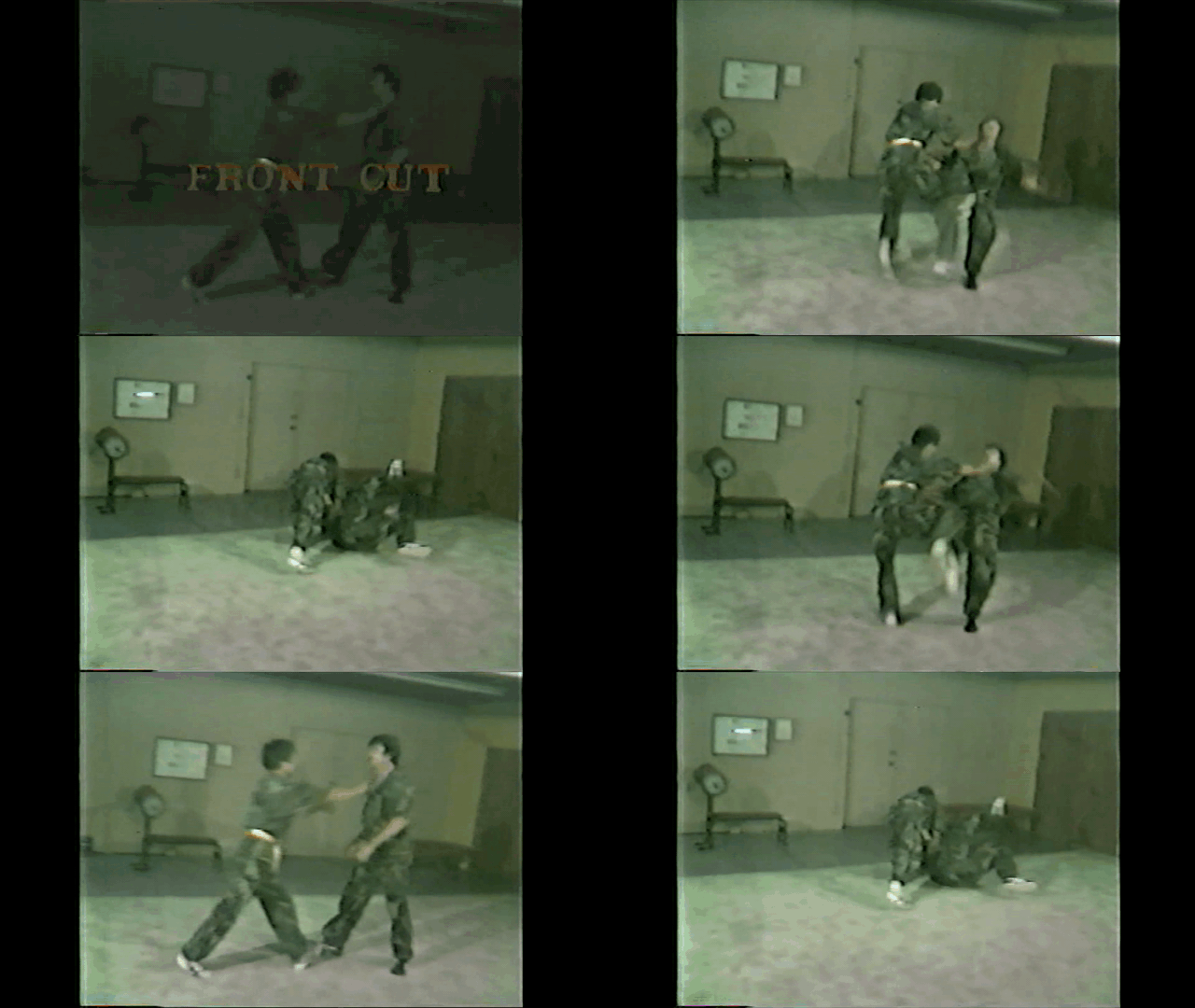
- Leg blocking requires body rotation with stealing step.
- Front cut requires n shape leg cutting skill.

Both body rotation, stealing step, and n shape leg cutting skill are missing in BKTS. You may give BKTS more credit that it deserves.

 
Last edited:
None of the above. Then again, maybe all of the above.

The experience/understanding/learning a person gains from whatever level of pressure they decide to put their tjq under has absolutely nothing to do with me. They own it. I show the forms as a means of refining the energetics and connectivity (Principles and Methods) that they've already spent months putting into the body in solo and 2-person work in the foundational training. 2-person work in the case of foundational training isn't quite testing as it's mostly cooperative, but it easily transitions into testing once the tasks each person is working at conflicts with the tasks their partner is working on. But even then, it's not anything fighty.

I don't believe in applications or techniques and I sure don't think that stuff is contained or hidden in the forms - no drilling or fixating on outcomes in the training of forms or testing. OTOH, some of the more obvious examples of sequences in the forms mimicking 'martial movement' would be BKTS, Cloud-hands, Separate Right/Left Foot, Fan-Through-Back, Shuttles...

BKTS can be like throwing a ball or spear, for example, in an overhand fashion. It could also be a punch or a glancing elbow or a jamming shoulder strike. It can be a few different kinds of throws kinda like tai otoshi, or o soto gari. Separating the feet can be a few different types of kicking, or stepping.

Every step is a kick - every kick is a step - every punch is a throw - every throw is a punch. That way of approaching taiji doesn't violate Neutrality Principle. Natural, spontaneous response...
Yes this is kind of what I was fishing at, thank you for explaining
 
- Leg blocking requires body rotation with stealing step.
- Front cut requires n shape leg cutting skill.

Both body rotation, stealing step, and n shape leg cutting skill are missing in BKTS. You may give BKTS more credit that it deserves.

If you fall when you sweep someone else you aren’t demonstrating a skill I care to learn. If your down leg moves when you kick, you are not truly on your legs. It’s slop that lacks strong foundational principles. It shows they tried to write essays without having grammar. Like listening to a speech from a hillbilly, I may get the point but there are far more eloquent and effective ways to express a concept.
 
Not until you add "leg skill" into your punch.
If I throw a ball, rock, stick, or a snowball with the same intent as throwing a punch, do I need "leg skill"? every throw is a punch - every punch is a throw...

If I follow through on a throw with my hand in a grappling match with the same intent as I would have throwing a punch toward the ground or some distant point of sight, I'm just applying Push with no thought given to affecting a throw - it's just movement that suits the situation.

"What throw did I 'use'?...I dunno, I just did BKTS because it felt like the thing to do". Body positioning (legs, torso, arms...) that makes me heavy and them light allows that to happen. Not punching, not throwing - just doing BKTS. Neutrality Principle


All "leg skill" require extra training.
Foot tag, chi gurk, push-legs, beam fencing and other games that develop lower body adroitness teach all that without it being 'this' or 'that'. With properly structured sparring, people tend to develop/find their own specialty movement(s) (tokui waza) without looking for it - preserving the integrity of Neutrality Principle.
 

Latest Discussions

Back
Top