A bit of history — why distinctions matter, if they do.
An interesting story concerning Yang Banhou and Liu Shijun, as related
here.
According to the account,
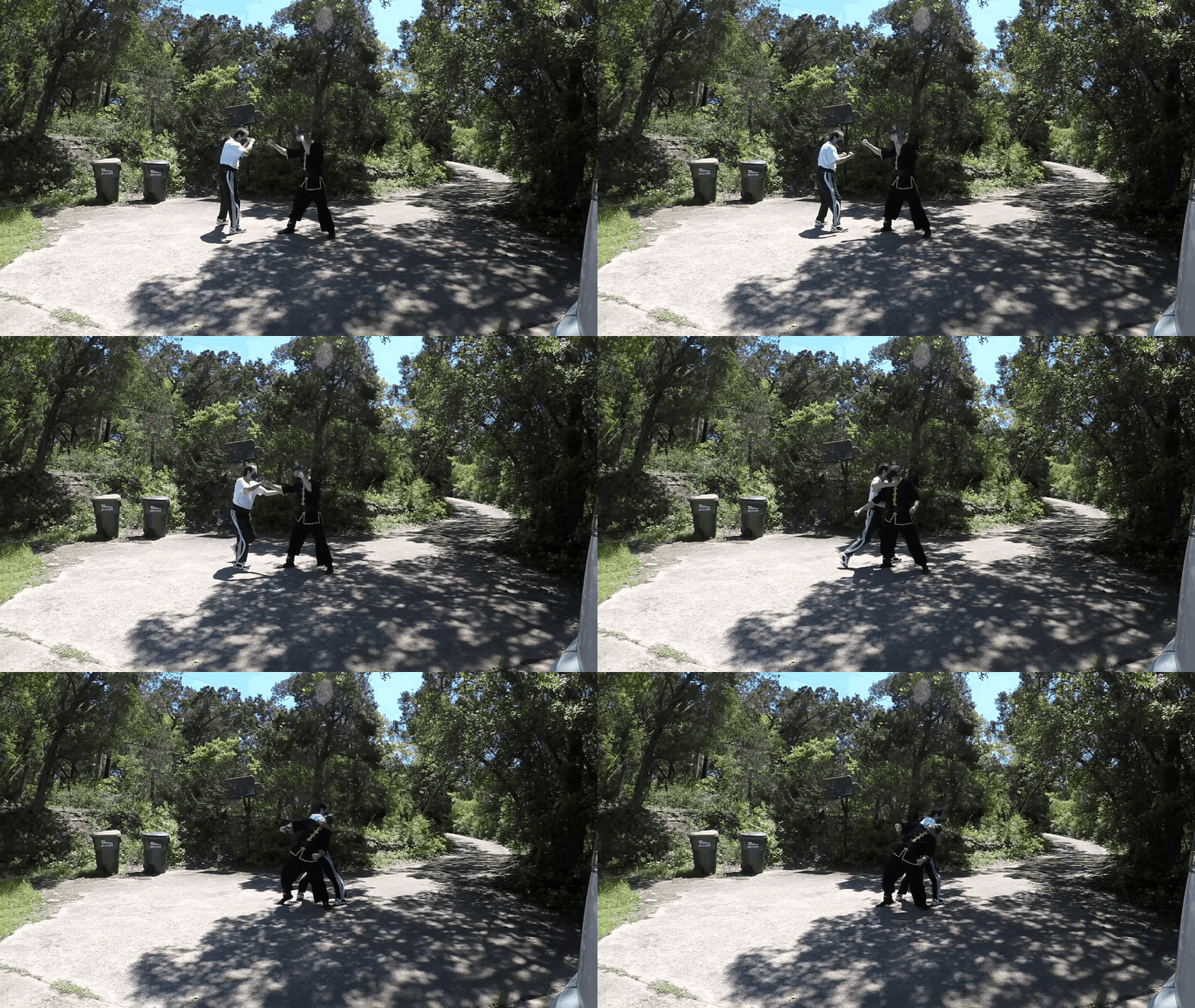
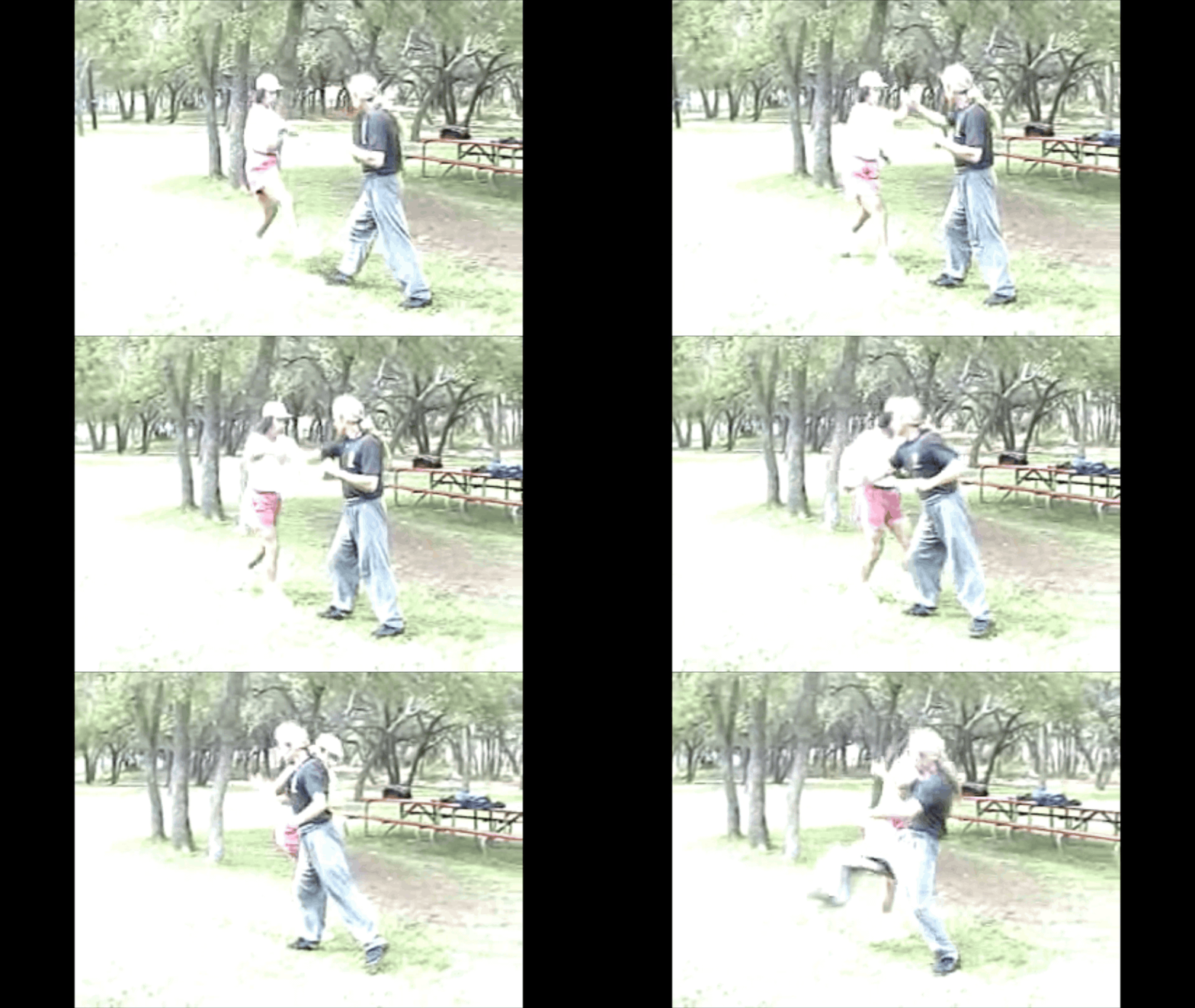
Yang Banhou returned home pleased with himself after throwing Liu Shijun, a well-known Eagle Claw master.
When he told his father, Yang Luchan, about the encounter, his father remarked:
"Don't be too happy, it doesn't look like a clean victory."
Banhou was puzzled. His father told him to look beneath his armpits.
There were holes in his robe, suggesting that Liu Shijun had the opportunity to seriously injure him but had chosen not to.
Later that evening, Yang Luchan visited Liu, who was preparing to leave the city. Yang persuaded him to remain, explaining that the encounter had been nothing more than a casual crossing of hands, while praising Liu's skill and character.
In another account of the encounter, Yang Luchan notices that Banhou's sleeve has been torn and asks:
這算是太極勁嗎。
“Does this count as Taiji jin?”
Whether every detail of the story is historically accurate is another question.
What is interesting is the concern Yang Luchan had for the distinctions of their art, the apparent outcome, and what actually took place.
Banhou had successfully thrown his opponent, yet his father recognized something that Banhou himself apparently had not.
Winning an encounter does not necessarily mean one has understood or controlled what occurred.
Nor does the story necessarily establish the superiority of one martial art over another. Liu Shijun, despite being thrown, may actually have had the better of the encounter.
Perhaps this is why distinctions between methods matter.
It is not simply a question of whether someone can throw, strike, or otherwise defeat an opponent—but "how" the result was achieved, what the practitioner perceived, and what the method itself allowed.
Two practitioners may produce similar outward results while operating according to very different principles.