Appledog50 23
Brown Belt
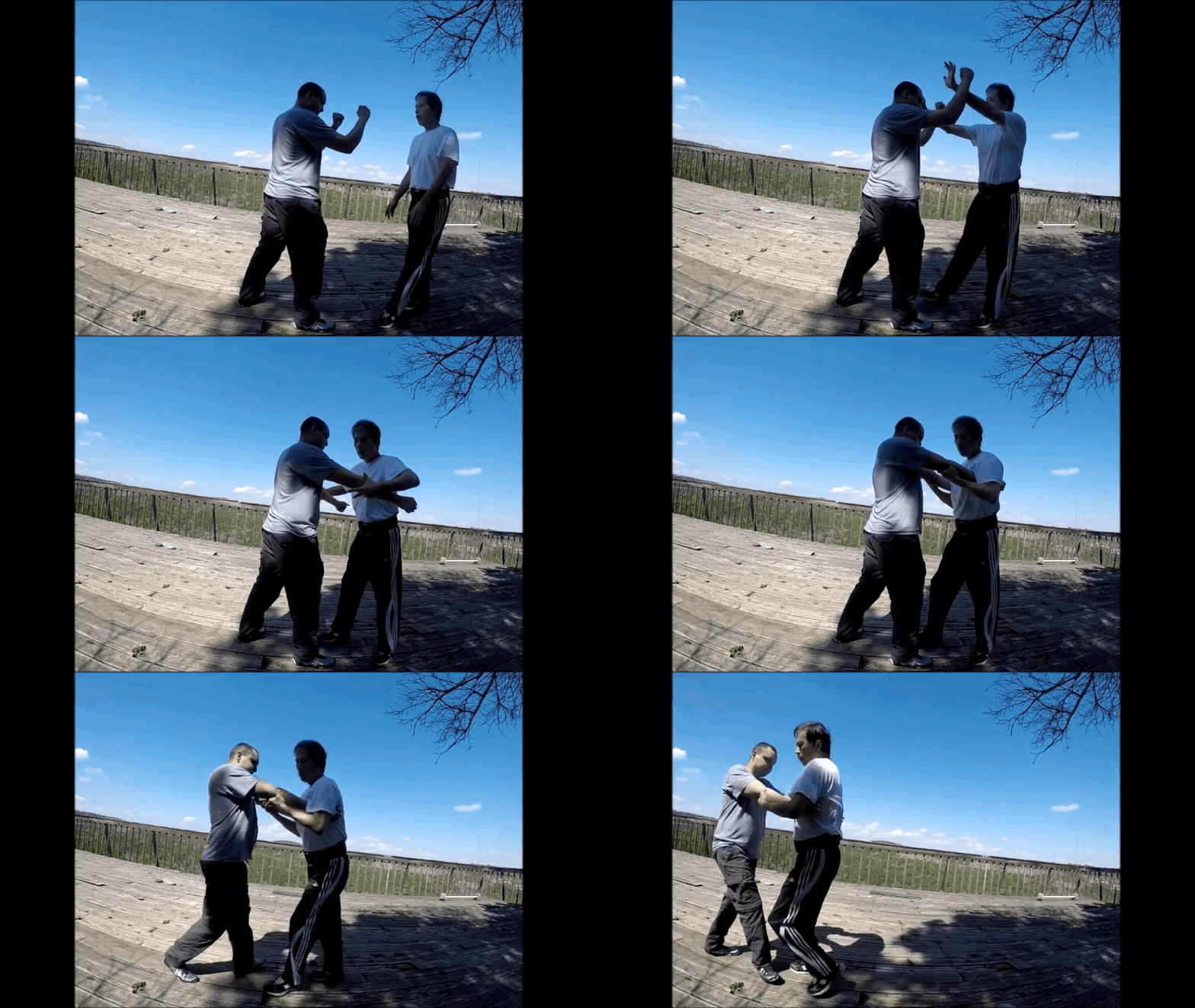
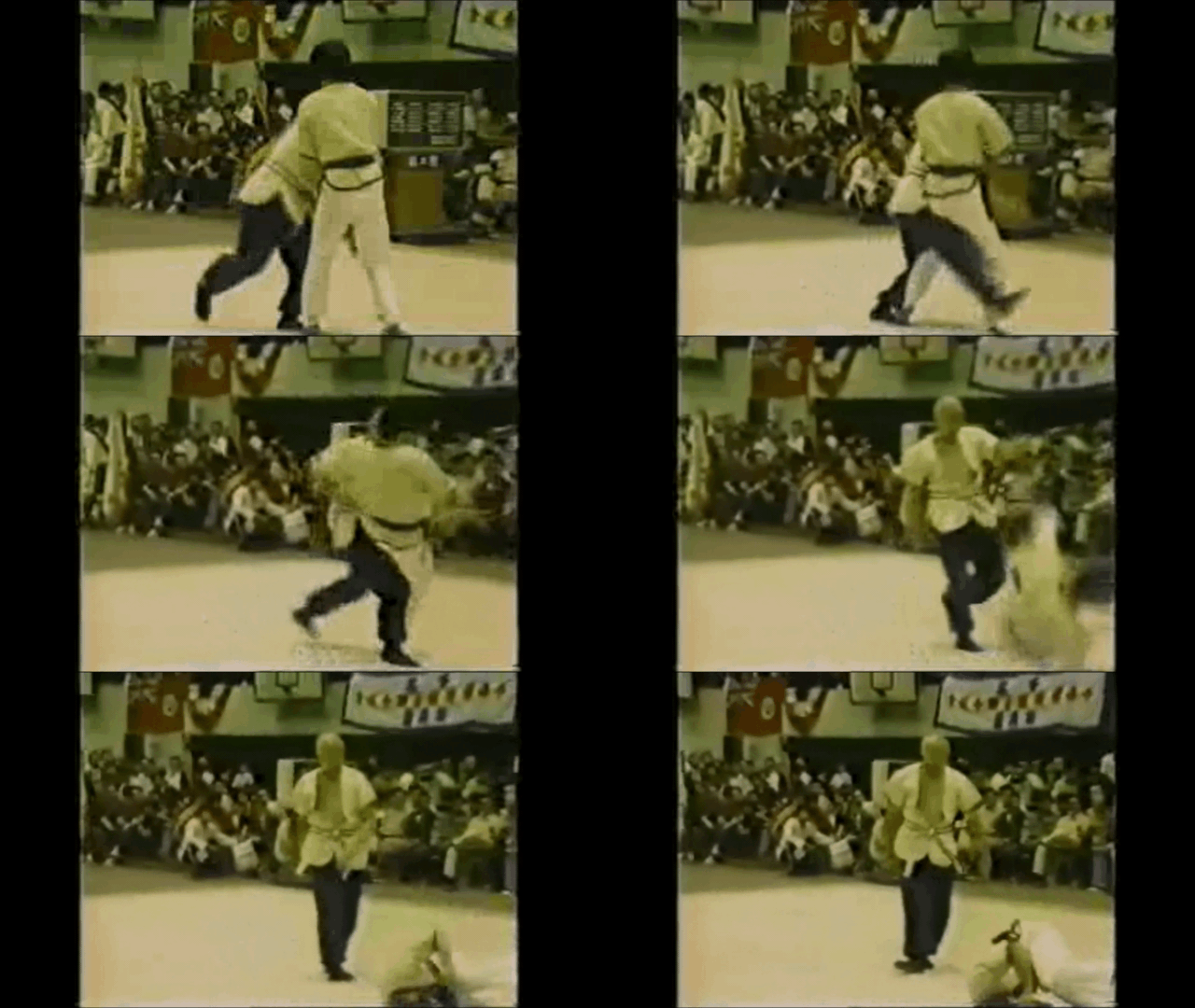
Hi guys! I think it's time to reclaim Tai Chi. There has been some effort on this front by the Practical method people; the Wu and Yang families have done an excellent an honorable job preserving their family style apart from the public "style" style, as has Chen (oddly enough to a lesser extent). The other families IIRC are going strong, but don't have a loud voice. But besides the families, there is sufficient grift in the Tai Chi community both from within (people teaching beyond their skill level) and from outside (people using Tai Chi to advertise some other martial art). The latter particularly bothers me because it is incredibly dishonest to bait and switch people by promising them an education in Tai Chi and then locking them down into something else -- or more often than not, sadly, a wet noodle nothingburger. The issue is made worse with the move to freeform push hands; this represents an abandonment of the 13 postures and removes push hands as a valuable training method in Tai Chi.
For a while I have been considering a new sports body and I hit upon the idea of an open, permission-less rating system for push hands using standard ELO rating math certified by a witness. Only fixed push hands can be rated in this system and each style of push hands has it's own rating -- this is to deny the opportunity for people to game the system by introducing heterodox mechanics into a match. Therefore freeform push hands is not allowed as the goal of the exercise is not to compete in the sense of modern competitive push hands; the goal is not to cause the opponent to move his foot, lose his balance or fall over. The goal is to break the opponent's use of the 13 postures. If someone is taken out of the 13 postures and it is not immediately corrected, or movement stops (clench) both competitors lose the round (there is no winner). This simple rule change states the obvious; neither party could use the 13 postures to deal with the situation so both of them lost. Within this framework, causing the opponent's foot to move is a point (win). Causing the opponent to hip hinge is probably also a win; that part is under construction.
The math is simple and does not require a central authority. However, I think creating a trust network would be a trivial confidence anchor to the ratings. The system is trustless but can accept trust; any claim is valid however it has no credibility in and of itself unless: a) both parties agree and/or b) there is a witness to the match (which you trust). You do not even need to trust the sports body organizer in this system if you don't want to. Other than that the math is simple and everyone enters the system at 0. This is a second line of defense; if you don't even have a match history you can't claim an advanced rank or rating; for people with a high rating it is assumed they would have met and pushed with a large number of people and would have accumulated a large amount of trust in the system.
The system is used for calculating the probability of someone being able to retain their posture using the 13 postures in a match of fixed push hands. After a series of matches, it should be decided who is the winner by both parties. If a witness is present this adds trust because a witness lends a path of trust to the match.
How trust works is simple. If you know someone and trust them, you mark it as such in the system. If you witness a match you are "trusting" the match. Therefore if someone trusts you and you trust a match there is a level 2 trust between you and some match. The math for this is exceedingly simple and is used on chess and go servers worldwide.
implementing it is one thing, using it is another. Using it does not require participating in any kind of online system and there is no signup. You simply claim to be a certain rating and you use that rating to compare yourself with others. If you claim to be rating 2500 (approx. 5 kyu) you should win/lose 1/3 ro 2/3 of your matches with another 5 kyu (or so). If you win 3 in a row your rating is higher than the opponent and if you lose 3 in a row your rating is lower (casual rule of 3's). Once a sufficient number of people in a local group begin using this system it will self regulate. All that is needed to anchor the system is sufficient contact between different groups. For this purpose a central authority can be created solely to anchor the system, as it does not actually matter what your rating number is so long as it organizes you in your local group.
I've already said enough that this system could go viral and fix the entire Taijiquan community in one day. All that is necessary is that you claim to be of a certain rank. To begin I will claim the rank of 20 kyu. (~1000 ELO). This system starts at 30 kyu and 16 kyu is the range where initiative (here we will say neigong) is discovered. Anchoring myself at 20 kyu is done solely to demarcate between brute force and the use of neigong while not allowing too much rank inflation in case someone tries to game the system before a critical mass is established.
All that is needed to implement this system is for you to claim a rating. I suggest most modern American Tai Chi teachers who learned Tai Chi inside the USA, Canada or Europe claim a rank of 10 kyu and set their students at 16 kyu to start.
This system does not require anyone to agree with it to be useful, thrive and survive. It is trustless and permissionless and is literally an overlay on top of what we already do in Tai Chi. The benefit of adopting it is that it will push out anyone who is teaching fraudulent taijiquan. Among those of us who learn and practice real, authentic taijiquan, there is absolutely no reason not to adopt this system. Even if you disagree with the system and reject it, the fact that you know authentic tai chi means you technically have a rating even if you do not acknowledge it. This means people can be rated by those who participate in the system even if they choose not to participate in the system. All that is required is that a participant enters the match in the system.
This has been a bit of a ramble but I think it has struck the right foundation. I'll keep chipping away at the diamond stone, any thoughts are welcome.
Rough markers; this is an estimate, and will self-regulate in use:
- 30 kyu -- first push hands match (0 ELO)
- 20 kyu -- likely the first inkling of neigong applied to push hands (~1000 ELO)
- 10 kyu -- Teacher in the school
- 1 kyu/1 dan (Shodan) national tournament winner
- 5 dan-6 dan -- Top amateur rank, with 7 dan being possible (but unlikely; in practice people rarely get to this level)
Last edited: