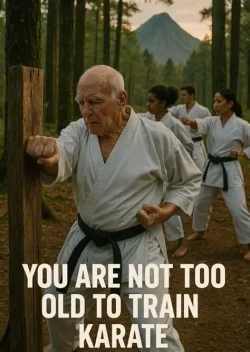
dojo where many people in their 80s and 70s

dojo where many people in their 80s and 70s​


Since I am in my "80s and 70s" I found the video to be encouraging.
 

Attachments

  • OIP.webp
    OIP.webp
    30.4 KB · Views: 25

ā€œThere Are None So Blind as Those Who Will Not Seeā€​


Metaphorical sense: Those who can see but choose not to, often due to stubbornness, denial, or fear of change

refusing to accept reality when it’s inconvenient.
 
ā€˜Perception is strong, sight is weak’ Miyamoto Musashi

ā€œOra che ho perso la vista, ci vedo di più!" which translates in English to, "Now that I've lost my sight, I see better... things I never saw before" Cinema Paradiso (1988), the character Alfredo (played by Philippe Noiret)
 

ā€œThere Are None So Blind as Those Who Will Not Seeā€​


Metaphorical sense: Those who can see but choose not to, often due to stubbornness, denial, or fear of change

refusing to accept reality when it’s inconvenient.
Haven’t seen that quote before, who are you quoting ?
 
Just eat a little less

The Bean, did well despite his size...


"With his trademark combination of strength, speed, and unyielding determination, Butterbean has cemented his legacy as one of the most feared knockout artists in boxing history. Whether you're a longtime fan or new to the sport, this highlight reel is guaranteed to leave you breathless as you witness the awe-inspiring power of Butterbean's punches."
 
Last edited:
I only heard about him recently. He’s not popular in the UK.

He’s clearly a statistical outlier. Has he ever gone a whole 12 rounds? five maybe eight?
 
Has he ever gone a whole 12 rounds? five maybe eight?

Looks like he didn’t need to šŸ¤”
You might ask those he knocked out if they could or did, if so why didn’t they.

Instead of looking at him as a statistical outlier, I look at him as someone who embodied his method and style of boxing.

Similar to Mike Tyson

Who averaged 3.8 -- 4.9 rounds per professional fight.

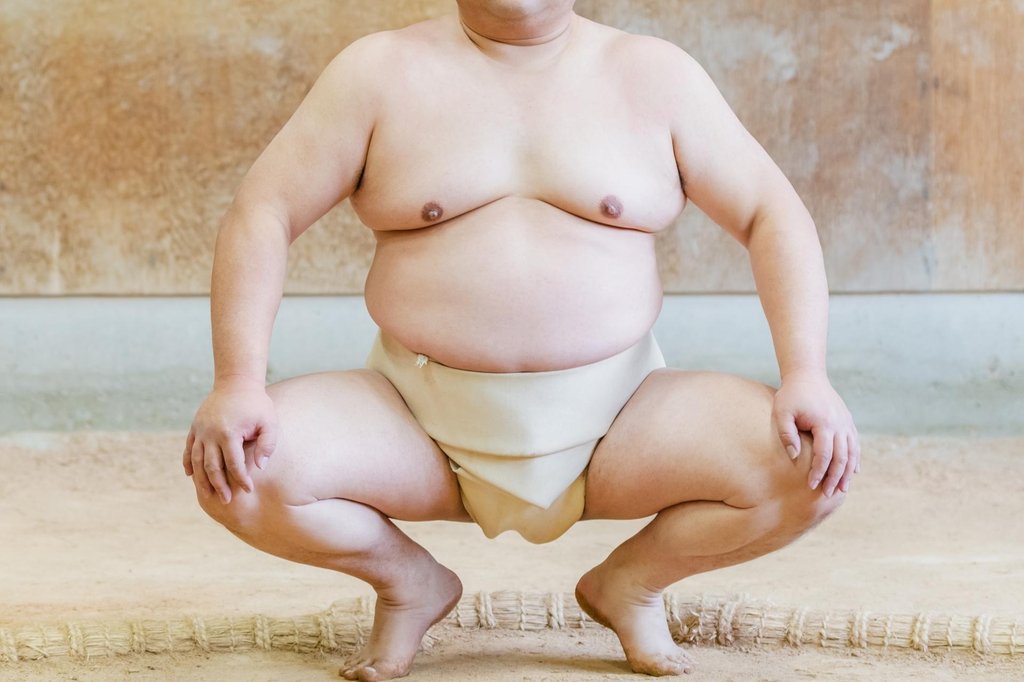
As for heavy people fighting, sumo comes to mind.

"
According to research conducted by the Keio University Sports Medicine Research Center, the average weight of 25 makuuchi wrestlers was 161.2 kg (about 355 lbs), with an average height of 186.3 cm."

sumo-wrestler-weight_2.jpg
 
Last edited:
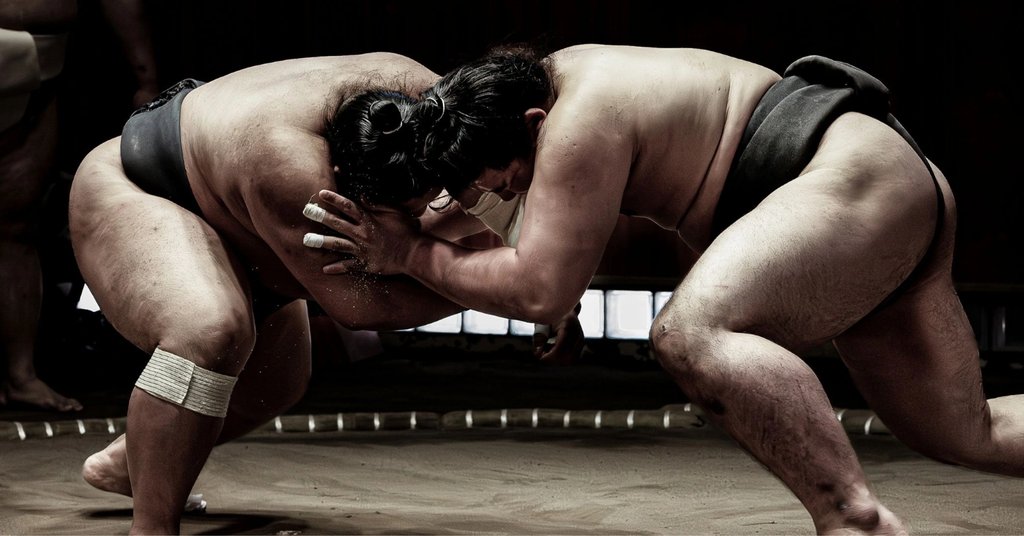
"In sumo, body weight is not passive mass sitting at rest; it acts as a weapon directly connected to competitive performance. To control the crucial instant when two rikishi collide on the dohyo, a wrestler needs the body structure, muscle strength, and balance required to absorb an impact approaching 800 kg without losing ground."

sumo-wrestler-weight_8.jpg


Watch what happens when the opponent can not control what happens at impact.

Like Bean's opponents

 
I’m an avid fan of sumo and indeed the heaviest rikishi always overcome the smaller ones. But that’s physics not skill. My favourite rikishi is Asakoryu because he’s small, clearly works out with weights and often overcome much heavier opponents.
 
"In sumo, body weight is not passive mass sitting at rest; it acts as a weapon directly connected to competitive performance. To control the crucial instant when two rikishi collide on the dohyo, a wrestler needs the body structure, muscle strength, and balance required to absorb an impact approaching 800 kg without losing ground."

sumo-wrestler-weight_8.jpg


Watch what happens when the opponent can not control what happens at impact.

Like Bean's opponents

Fun thing about sumo - even while they may be technically obese, their general health profile fits that of an elite athlete (which they are). But 5-10 years after retirement, they tend to fit the health profile of an average obese person their age, since most aren't active anymore but still have the weight.
 
Fun thing about sumo - even while they may be technically obese, their general health profile fits that of an elite athlete (which they are).
During their career, they still can’t maintain normal insulin resistance ;
However, with intensive daily exercise, most sumo wrestlers can maintain normal
serum glucose and triglycerides levels but without completely correcting their insulin resistance or normalizing their low serum high-density lipoprotein cholesterol levels.

Conclusion: Sumo wrestlers are exposed to multiple injuries and can develop several comorbidities that significantly shorten their life expectancy. Sumo wrestling is a unique situation where strength and sacrifice coexist.

But 5-10 years after retirement, they tend to fit the health profile of an average obese person their age, since most aren't active anymore but still have the weight.
I believe most of them lose a lot of weight after retirement, but would still be classed as obese and insulin resistance obeys the ā€˜Schmitt trigger’ rule; they would have to lose an enormous amount of weight to flip back into normal insulin sensitivity.

Japanese sumo wrestlers aged 35-74 years have a significantly higher mortality rate in comparison to the control population. Their life expectancy is around 65 years, at least 10 years shorter than controls.
 
If i recall right, the study i was looking at focused on heart and lung health, along with (potentially) some form of cholesterol. I'd have to find it again. The life expectancy being 10 years shorter matches though.
 
If i recall right, the study i was looking at focused on heart and lung health, along with (potentially) some form of cholesterol. I'd have to find it again. The life expectancy being 10 years shorter matches though.
Being so obese and from a young age simply can’t be good for general health and longevity.
 
Butterbean's greatest comeback occurred after he left the ring. Amazing, an inspiration.


Latest Discussions

Back
Top