Bag drills

Prince_Alarming84 20

Senior Master
OK, so does anybody have any specific advice on particular drills you can do with a bag? I was taught 2 at MMA class a long time ago- entering diagonally on one side, throwing a 1,2 and exiting on the other diagonal and kind of supporting the bag with your shin, moving it slowly away and leaving your shin out there to catch it. What I want is more of this stuff- actual drills other than just 'hit the fiddlesticker'.
 
Stand in close enough to twist the rear-side shoulder hard into the bag and follow with a lead-hand shovel hook

Lean in slightly with forehead contact immediately followed with a low rear-hand hook and lead-hand elbow where your forehead was

Touch with your lead-hand fingertips at eye level and fall into the bag with the lead-hand elbow

If you like the way those feel, you'll come up with lots of in-close combos. Keep an always-awareness on protecting your groin and put protective assaults with your legs into your cq combos
Cool! thanks
 
NP

Forgot to mention something about body awareness for in-close fun; practice keeping your knees and elbows bent to the same degree when you're out of range and then move into your short range while maintaining that elbows-knees 'rule'. It should feel stable and solid and will help prevent over-extension and compromised front-back balance.
 
does anybody have any specific advice on particular drills you can do with a bag?
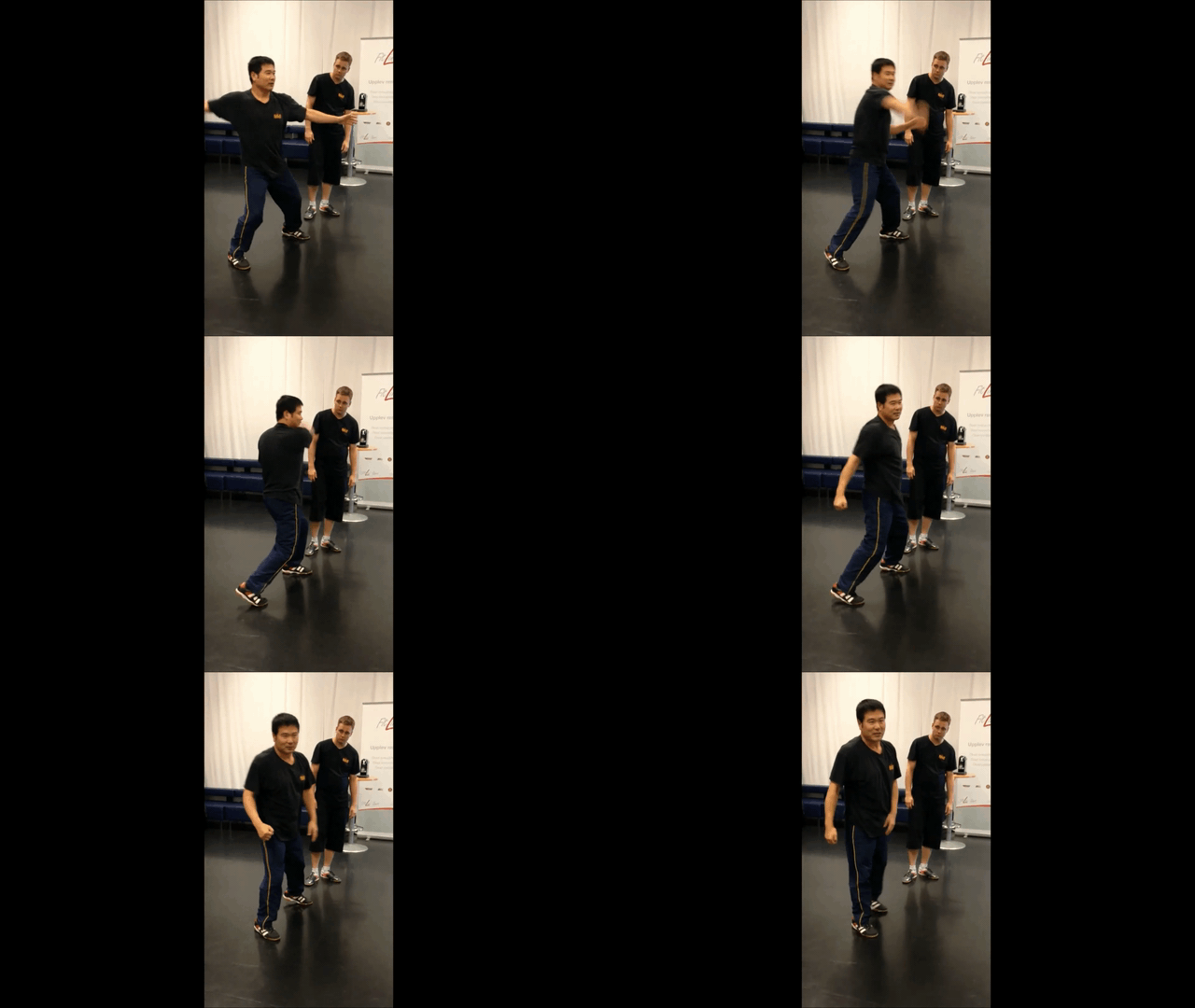
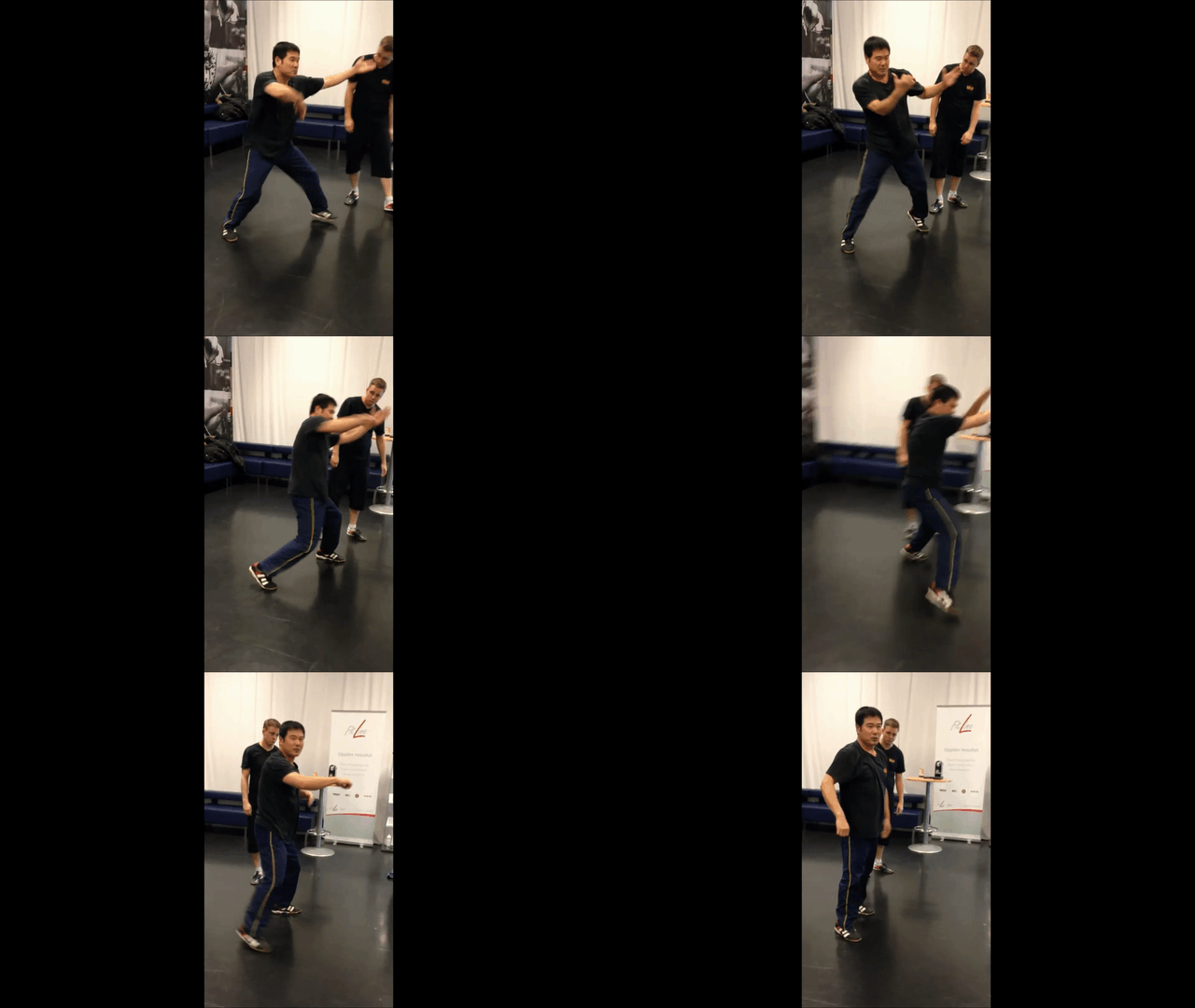
Freeze your upper body and lock your shoulders and arms. Keep your shoulder, arm, and upper body in a locking position. This will force you to deliver your punch with:

- bend -> straight your back leg,
- step in leading leg, and
- rotate your hip/waist.

It's similar training as to put your arms behind your back and throw punch with your body. This training will force you to think about your whole body and not just your punching arms. It's the opposite of "freeze your body and only punch with your arms".

Example of punch with arms only.


Example of punch with the whole body.

 
Last edited:
Freeze your upper body and lock your shoulders and arms. Keep your shoulder, arm, and upper body in a locking position. This will force you to deliver your punch with:

- bend -> straight your back leg,
- step in leading leg, and
- rotate your hip/waist.

It's similar training as to put your arms behind your back and throw punch with your body. This training will force you to think about your whole body and not just your punching arms. It's the opposite of "freeze your body and only punch with your arms".

Example of punch with arms only.


Example of punch with the whole body.

Cool! Thanks.
 
A couple of questions...

How heavy is your bag?

Does it have anything on the bottom of it that would allow you to attach a rope or heavy cordage to it?
 
It's pretty heavy, it's been soaking in the rain. There's nothing on the bottom that I could attach anything to, no.
 
It's pretty heavy, it's been soaking in the rain. There's nothing on the bottom that I could attach anything to, no.
Would you say it’s in the neighborhood of 40kg or so?

I think that your overall goals in your training will affect what makes sense for you to work on. If you want to compete, that usually includes the protection of wraps and gloves of some kind, so it makes sense to use those while working on the bag. I don’t compete and don’t have much advice on this approach.

If your interest does not include competition, then you want to work the bag in a way that you develop the ability to safely hit with power, without the protection of wraps and gloves, and without injuring yourself. This requires a slower approach, methodically working up the power over time and being careful that your wrist and arm alignment are correct so you don’t injure yourself. It also means your sessions will be shorter than they would be if you were using wraps and gloves, because your hands will feel it more. Personally, I don’t like to spar the bag. Instead, I systematically go through all of my different punches and work them individually, with repetition, to develop the delivery and power. When the bag gets to swinging, slow it down and go back to the basics. Focus on one technique at a time.

@Kung Fu Wang made some comments about getting power from the stance, rather than muscling it from the arms/shoulders and such. It’s good advice as a better approach in developing power, but there are specifics and details and methodical approaches to that kind of thing that i doubt you can figure out without some direct guidance. Maybe on a rudimentary level, and it’s worth exploring, but there is likely a lot that you will miss. Do the best you can and be careful to avoid injury. You can break a wrist or a hand on a heavy bag, especially if the bag has been sitting out in the weather and is developing compact, hard areas. Depending on what it is stuffed with, that can be like hitting concrete. I would suggest replacing it if it has become like that.

After a bare-hand session like that, there is often a small amount of swelling in the back of the knuckles. It typically goes away within a day or so, but give time between sessions to make sure you are healing. I’m in my mid-50s and don’t recover as quickly as I did 20 years ago. I find that one session a week is plenty to maintain good power and delivery, but a younger person might benefit from 2-3 times a week as long as they are healing and recovering well between sessions.

I don’t know how many different punches and hand-strikes you are working on. In my kung fu method, we have a bunch that come from different angles and strike with different parts of the fist, not just the front of the knuckles like a typical straight punch . So it can take some time to work through them all.
 
Last edited:
Back
Top