Follow along with the video below to see how to install our site as a web app on your home screen.
Note: This feature may not be available in some browsers.
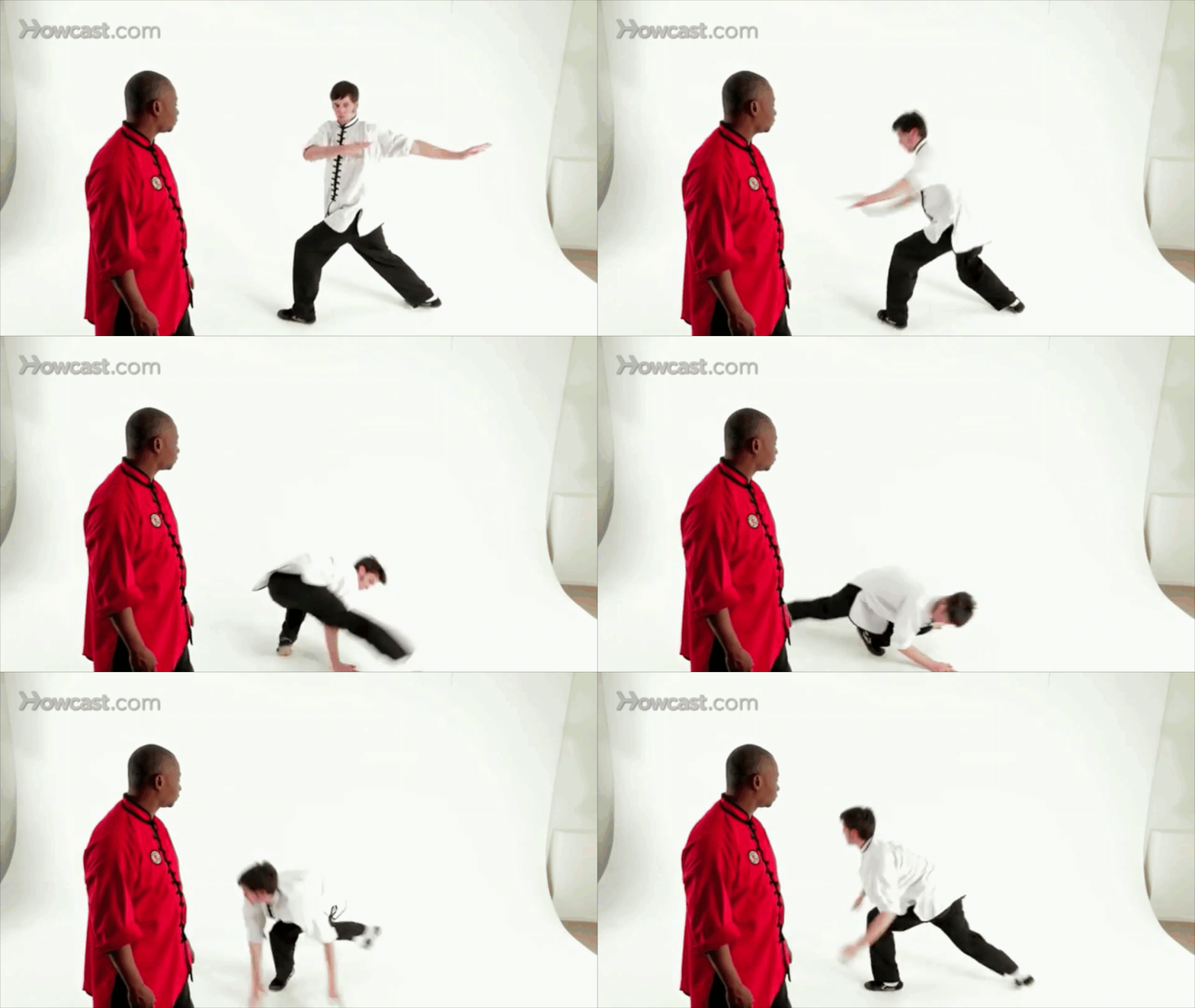
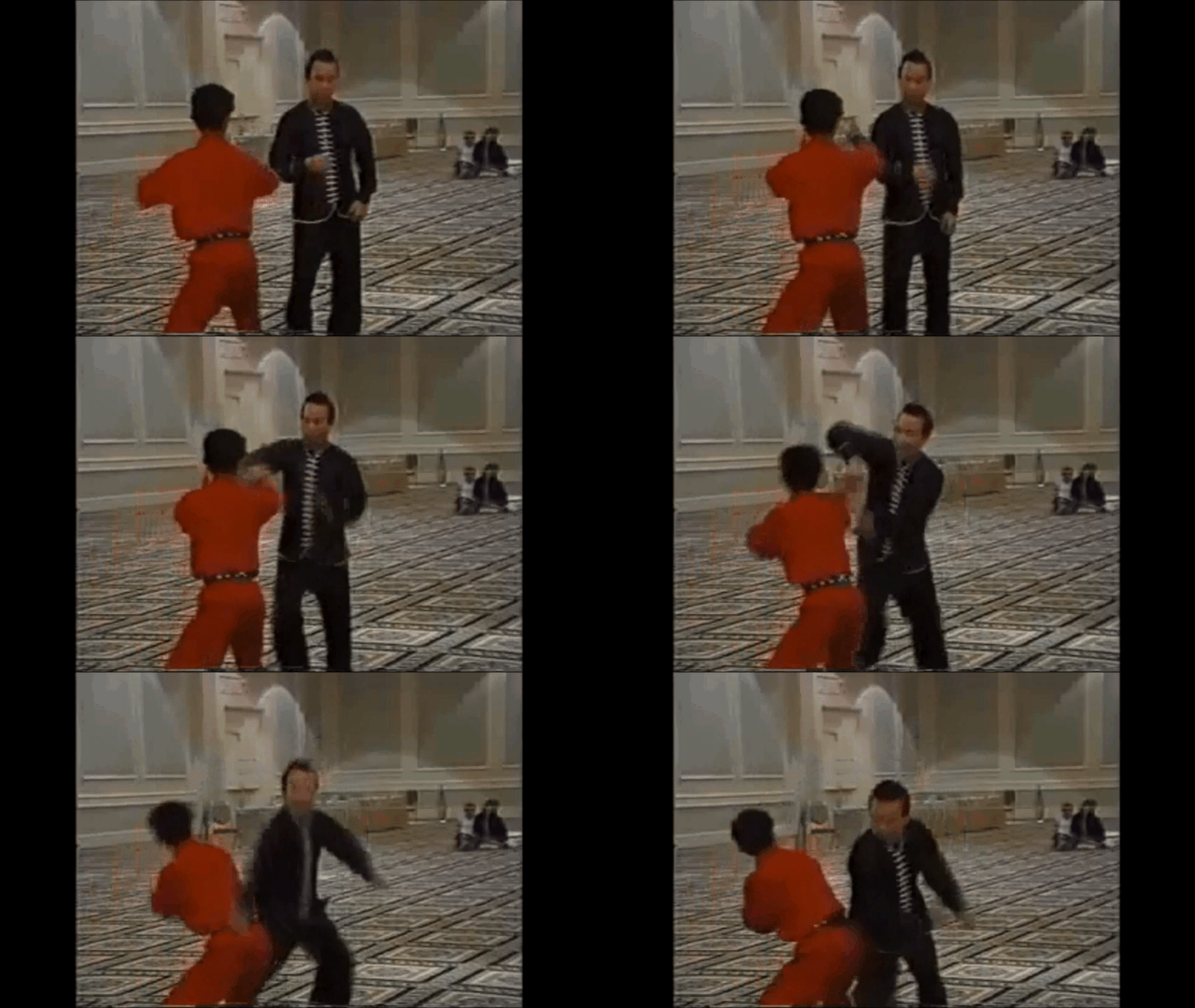
I don't think it's so much as the "movement turned into a throw or control technique" as that it was what the kata move was designed for, its true application just not recognized as such by many modern practitioners. It was always there, waiting to be rediscovered. The old kata hold many locks, control and takedown techniques that are representative of early karate.. Seeing the same movement turned into a throw or control technique makes the form feel much more practical.
According to the old masters, kata was never intended to be a "fixed' routine but holding many possibilities. Once one understands biomechanics, is aware of their physical position in relation to that of the opponent's, and has learned to recognized opportunities for entry, a lot of options open up no matter what position you're in.What I like about discussions like this is that they make you question whether kata should be viewed as a fixed routine or more like a collection of ideas that can be interpreted in different ways.
It allowed the unrecognized meaning to be passed down to be discovered by future curious practitioners And aside from application, kata teaches refinement of the basic techniques and principles.But if the meaning has been lost, what's the point in continuing to teach/train it unless that meaning is found?
Is it being passed down or is it being discovered? Those are two different things.It allowed the unrecognized meaning to be passed down to be discovered by future curious practitioners And aside from application, kata teaches refinement of the basic techniques and principles.
Both, depending how application savvy the school's instructor is. And some styles emphasize technical execution of the form while others stress the original bunkai.Is it being passed down or is it being discovered?
Much of the bunkai we're talking about wouldn't be allowed in sparring as it was designed to be used against non-TMA attacks.Sparring forces innovation and ingenuity. Kata may allow it, depending on how it's trained, but it doesn't force it in the same way.
I agree, especially in the 1960's and '70's, but as "bunkai" has sort of recently become a thing it's becoming more common.I would argue it's not being passed down the majority of the time


Awareness is the key"Intention" is the key.
And if you were going to learn the throw. Learn it off a throw guy. Not a kata guy.My opinion is still: if you need a seminar to understand what the kata is supposed to teach, then the kata isn't really doing its job anymore.
That's not to say the kata never fulfilled its role. But if the meaning has been lost, what's the point in continuing to teach/train it unless that meaning is found?
I think it's possible to be both. But if 10 schools teach kata and only 1 teaches the throw, I don't think it's fair to say the kata teaches the throw.And if you were going to learn the throw. Learn it off a throw guy. Not a kata guy.
The kata may teach the throw/takedown, but the instructor may not know this. This is on the instructor (and likely his instructor), not the kata.I think it's possible to be both. But if 10 schools teach kata and only 1 teaches the throw, I don't think it's fair to say the kata teaches the throw.
But how many instructors do or don't?The kata may teach the throw/takedown, but the instructor may not know this. This is on the instructor (and likely his instructor), not the kata.
Prior to the start of the 20th century, karate was taught to a select few, with kata moves' true meaning disguised to the general public. When Okinawa introduced karate to Japan they held back a lot of the "hidden" applications. Add to this the removal some of the more dangerous moves like joint locks, vital point attacks and throws so it wouldn't overlap the already established ju-jitsu and judo and to make it safer to teach in the public schools.But how many instructors do or don't?
There are a lot of people who truly don't care about application. To them, MA is for self-cultivation, health, inner peace, culture study, ...and those who don't care,
If it is there to be discovered, then it is serving part of its purpose.... it is preserving the information. Is a library preserving its purpose? Even if most people only go there for the fiction section and they never read all the books in the library? It still contains and preserves the information, even if it is not always being used.If it's there to be discovered, then is it really serving the purpose?
I feel things things would be discovered far more quickly from sparring than from a kata.